

What is Impersonation Fraud?
Impersonation fraud occurs when a scammer pretends to be a representative from a trusted organization, such as your bank, a government agency, a utility company or even your employer. Their goal is to gain your trust and convince you to send money, share sensitive information or provide access to your accounts.
Unlike identity theft, which involves criminals using stolen information to pose as you, impersonation scams manipulate you into taking action yourself. These scams are especially effective because they prey on trust and often create a sense of urgency.
To appear legitimate, fraudsters may use spoofed phone numbers, fake websites, official-looking logos and email addresses that closely resemble those of real organizations.
Common Types of Impersonation Fraud
Impersonation scams can take many forms, but most follow the same familiar pattern: a convincing message, an urgent request and a trusted identity that turns out to be fake. Here are some of the most common tactics fraudsters use to gain access and exploit trust.
Bank Impersonation: Scammers pose as representatives from your financial institution, claiming there’s suspicious activity on your account. The message may instruct you to confirm a transaction, “secure” your funds or authorize a payment. When in doubt, hang up and call us back.
Vendor or Supplier Fraud: The fraudster pretends to be one of your regular vendors or service providers. They send an email that looks legitimate and claim payment details have changed. The message may include a new account number and ask you to send future payments there.
CEO or Executive Impersonation: These business impersonation scams occur when fraudsters spoof the email address of a senior executive, often the CEO or CFO, and send urgent requests for wire transfers, gift card purchases or confidential data. The message often includes pressure to act quickly and discreetly. The goal is to bypass normal approvals by invoking authority and urgency.
Government Agency Scams: Criminals pretend to be from agencies such as the IRS, Social Security Administration or the Small Business Administration. These impersonators typically demand immediate payment for taxes, fees or penalties, threatening legal action if instructions are not followed.
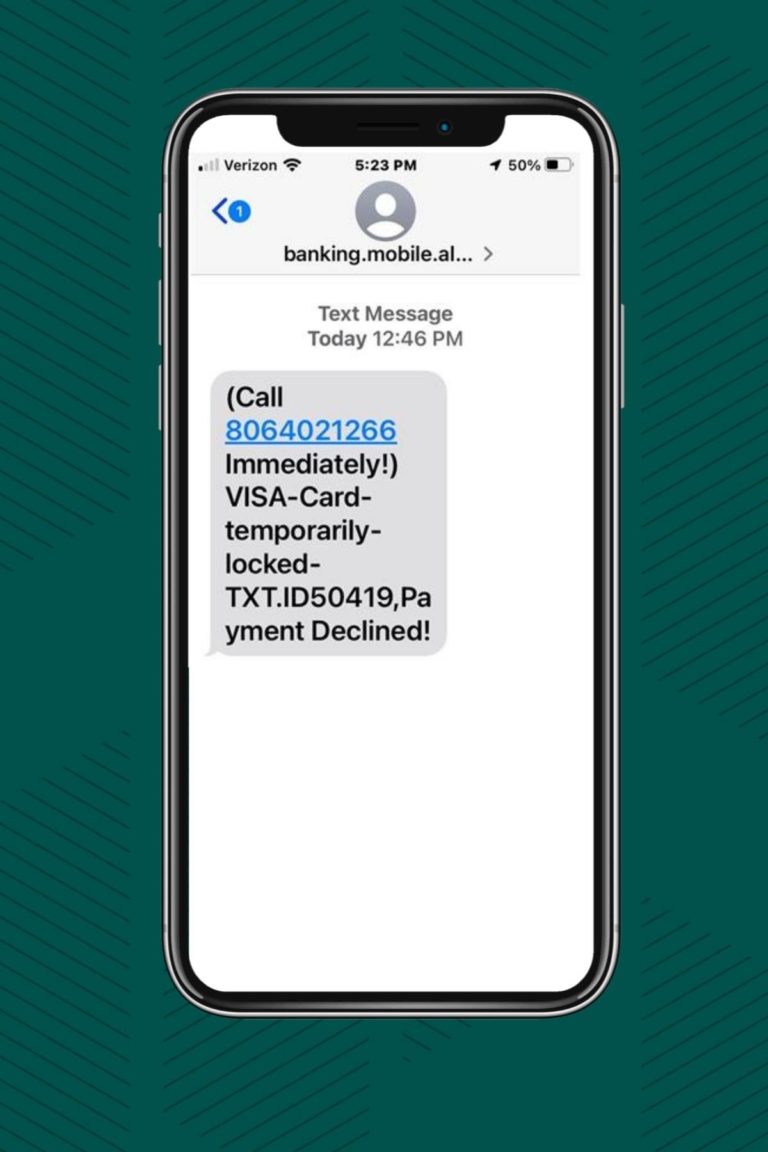 How to Spot an Impersonation Scam
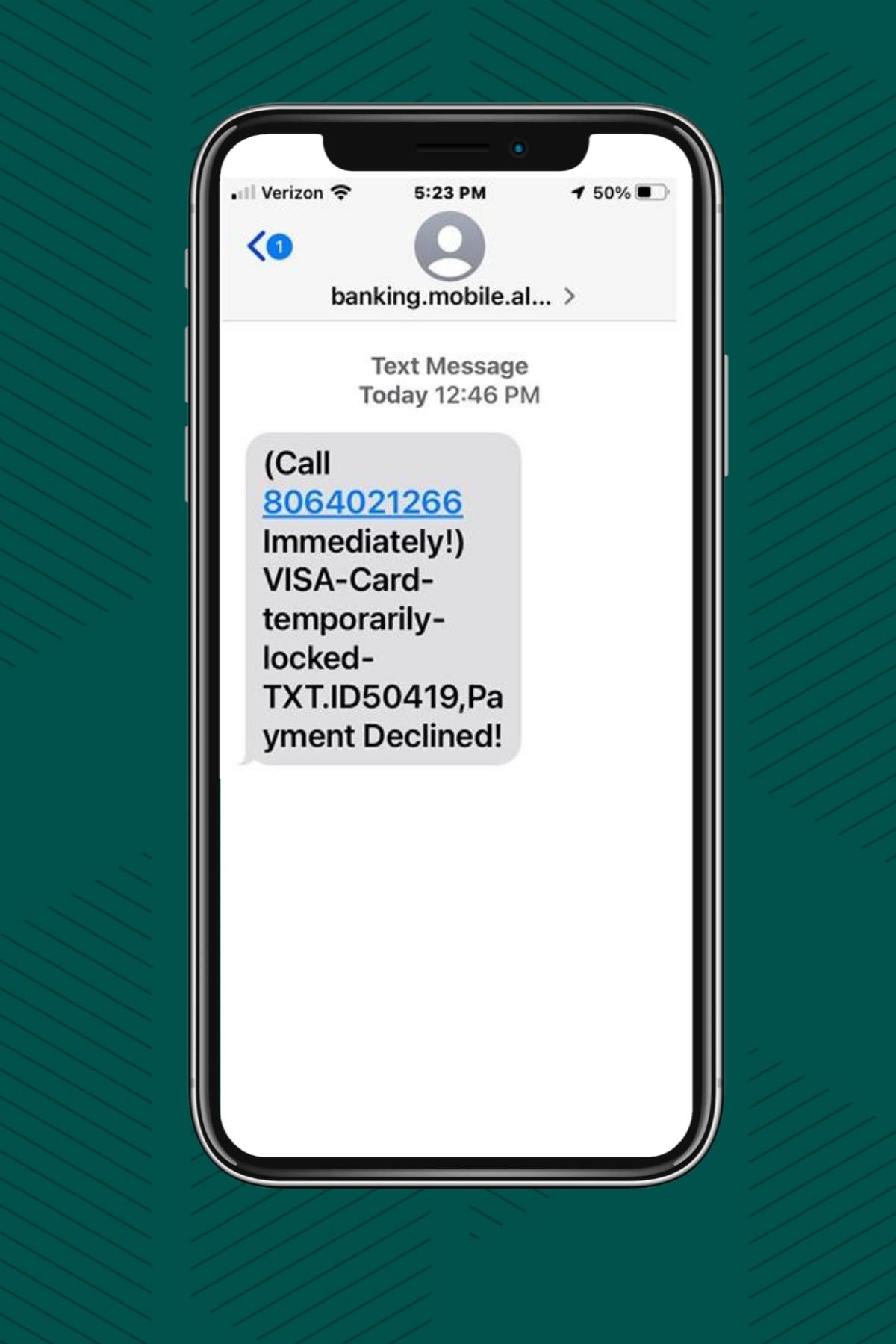
While impersonation scams can take many forms, most follow a similar pattern. Watch for these warning signs:
Unexpected Contact: The scam often begins with a phone call, text message, email, or social media message that appears to come from a trusted organization.
A Sense of Urgency: Scammers want you to act quickly before you have time to verify their claims. They may say your account has been compromised, a payment is overdue, or immediate action is required.
Pressure or Threats: Be cautious of messages that demand secrecy or threaten consequences if you don’t comply right away.
Requests for Money or Sensitive Information: Fraudsters may ask you to transfer funds, provide account information, share verification codes, or change payment instructions.
Suspicious Contact Information: Look closely at email addresses, website URLs, and phone numbers. Scammers often use addresses or websites that closely resemble legitimate organizations.
Something Feels Off: Poor grammar, unusual wording, or requests that seem out of character can all be signs of a scam.
How to Protect Yourself
The best defense against impersonation scams is to slow down and verify before taking action.
Keep these tips in mind:
- Be cautious of unexpected phone calls, emails, texts, or messages.
- Never feel pressured to act immediately because of a threat or urgent request.
- Avoid clicking links or opening attachments from unfamiliar sources.
- Carefully inspect email addresses and website URLs for subtle misspellings or unusual formatting.
- Verify requests by contacting the organization directly using a phone number or website you know is legitimate.
- Never share passwords, one-time verification codes, or sensitive personal information unless you are certain who you are communicating with.
When in Doubt, Contact OlyFed
If you receive a suspicious message claiming to be from OlyFed, don’t respond or click any links. Instead, contact us directly using the phone number on the back of your debit card, visit your local branch, or call us at the number listed on our website.
A few extra moments of verification can help protect your accounts, your personal information, and your peace of mind.
Financial fraud can show up in many forms, like phone calls, texts, emails and even fake websites. It can be hard to tell what’s real and what’s not.
That’s why we’ve put together some helpful tips to spot and prevent fraud in all its forms.
Check out this one about phishing scams.
Banking Fraud Tips
Together, we can stay informed, stay safe and protect your financial information from scams.