Fraud increases during the holiday season due to higher transaction volumes, increased online shopping and time-sensitive customer behavior. Scammers exploit urgency and distraction to conduct card fraud, account takeovers and social engineering scams. Take a look at the ways you can keep yourself and your finances safe this season.
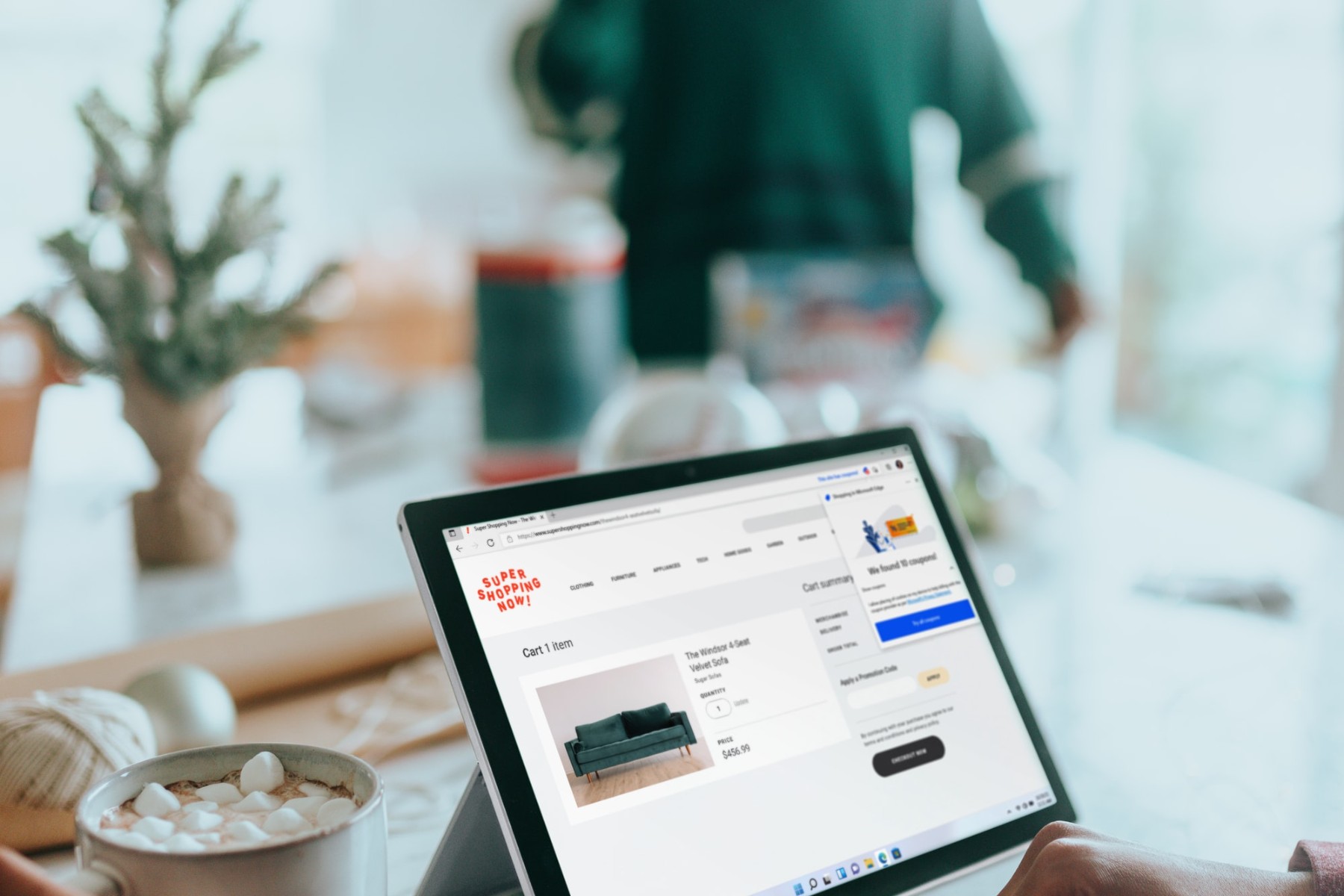
1. Choose Credit Over Debit and TURN ON Transaction Alerts.
One of the easiest ways to reduce fraud risk is to use a credit card instead of a debit card for purchases. Unlike a debit card, credit cards are not directly linked to your checking account.
2. Shop Smart Online & Stay Cautious with Wi-Fi
While online shopping is convenient, it’s also where most fraud attempts happen. Fake shopping sites and social media ads can imitate familiar retailers or promote products at unusually low prices. We encourage you to reach a retailer through a website or app you know to be legitimate. (Instead of relying on an unfamiliar ad link.)
Avoid entering sensitive data on public Wi-Fi networks and remember that a secure connection doesn’t prove a website is legitimate.
3. Verify Delivery Messages Independently
This time of year, we see an uptick in phishing messages posing as delivery notices or retailer updates. A text or email may claim that a package is delayed, an address needs updating or a small fee is due. These messages can lead to sites designed to steal account details or payment information. DO NOT click on links in emails or text messages, especially those urging immediate action. Instead, we recommend visiting official sites directly or using apps from known retailers.
An unexpected package can also be a warning sign. In what the Federal Trade Commission (FTC) reports as brushing scams, sellers send unsolicited items, oftentimes with a QR code that leads to a phishing site. DO NOT scan QR codes in packages you did not order.
4. Watch Transactions, Secure Passwords and Protect Physical Cards
Fraud doesn’t always come in large amounts. Criminals often test stolen data with small charges first. Checking your account activity regularly, and especially during the holidays, is a powerful line of defense.
Here are a few critical reminders to help keep you, your information and your money safe.
- Use strong, unique passwords for banking and payment apps.
- Turn on multi-factor authentication (MFA) for added security where available.
- Shield PINs at checkout and stay alert for skimming devices at ATMs and card readers.
- Keep wallets and purses secure, especially in crowded public areas. Distractions and tight spaces can make it easier for pickpockets or card scanners to access cards without detection.
- When purchasing gift cards, it’s best to buy them directly from the source. Fraudsters know how to compromise cards on public racks, leaving buyers with a $0 balance.
 Charity Fraud & Scams
The holiday season is a time when many of us are giving back to our communities. However, as charitable donations increase, so do the scams designed to exploit that generosity. Here are some best practices to avoid charity fraud.
- Verify before donating. Use trusted platforms like Charity Navigator or the IRS’s nonprofit search tool.
- Watch for high-pressure tactics. Legitimate organizations won’t demand immediate donations or request personal financial information.
- Avoid donations via gift cards, wire transfers or cryptocurrency. These are red flags for scams.
- Go directly to the charity’s website. Phishing emails or fake sites can easily mimic reputable causes.
Check Safety
While the use of checks has declined by 25%, reports of check fraud have nearly doubled since 2021.* As fraudsters become more sophisticated, it’s crucial to stay vigilant and protect your financial information. Use OlyFed’s digital payment options in digital banking whenever possible. If you must use checks, keep these tips in mind:
- Use permanent gel pens: Permanent ink can help you protect yourself and your checks.
- Avoid blank spaces: To ensure your check leaves no room for criminal alterations, fill out each line completely.
- Withhold personal information: Don’t add personal information like your Social Security Number, driver’s license details or phone number to your checks
- Review accounts: Regularly log on to your online banking platform to quickly identify anything out of the ordinary.
- Check your checks: Analyze your paid checks to ensure the amount is correct and the endorsement reflects the intended payee to guard against unauthorized deposits.
*2024 Findings from the Diary of Consumer Payment Choices, Federal Reserve Financial Crimes Enforcement Network, Suspicious Activity Report Statistics.
Customer Security Enhancements
At OlyFed, protecting your information and your finances is our priority. To enhance account security, we’re introducing additional personal identification and verification measures. Contact us or visit one of our nine convenient branch locations to update your security information and help us keep your accounts safe